 By Dr. Muhammad Junaid Fateh
· Updated · 5 min read
Key takeaways
- PRP may help early thinning where hair follicles are still alive, but it cannot regrow hair in bald areas.
- A hair transplant moves permanent follicles into bald or very thin areas and is a one-off surgical procedure for most people.
- PRP is a course of injections with little downtime; a transplant needs local anaesthetic and a short recovery.
- Many people benefit from both: a transplant for bald areas and PRP or medication to protect the rest.
- The right choice depends on an examination of your scalp and the cause of your hair loss.
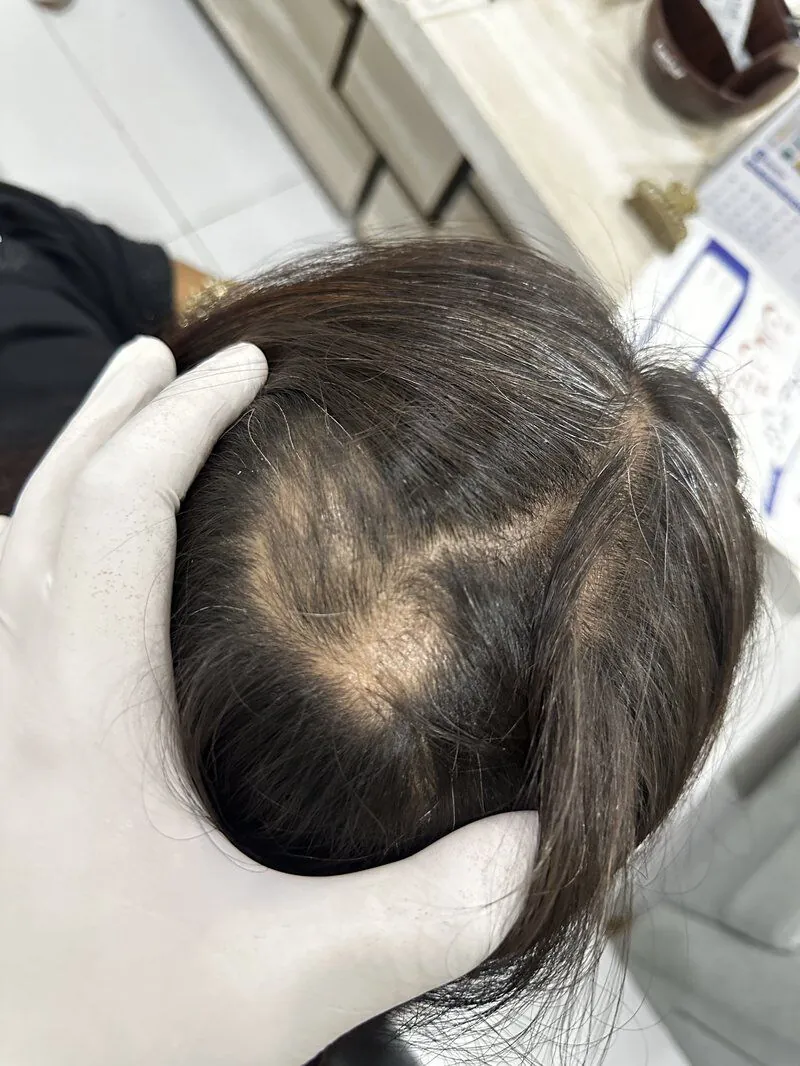
PRP suits early thinning, where hair follicles are still alive but producing weaker hair: it may reduce shedding and improve thickness, but it cannot grow hair where follicles have been lost. A hair transplant is the option for areas that are bald or very thin, because it moves permanent follicles from the back of the head to where they are needed. Many people do best with both, using a transplant for the bald areas and PRP or medication to protect the rest.
Below, Dr. Junaid Fateh explains how each treatment works, compares them side by side and describes the situations where one, the other or both make sense.
What PRP does
PRP stands for platelet-rich plasma. A small amount of blood is taken from your arm and spun in a centrifuge to concentrate the platelets. That plasma is then injected into the thinning parts of your scalp. Platelets release growth factors that are thought to support weakened follicles and help them produce thicker hair for longer.
A session takes around 30 to 60 minutes and needs no more than topical numbing, if any. Most people go back to normal activities the same day. Treatment is given as a course, usually several sessions about a month apart, followed by top-ups every few months if you respond.
The research on PRP is encouraging but mixed. Some people notice less hair fall and fuller hair within a few months, while others see little change. It works best when follicles are still present, and its effect tends to fade without maintenance. Read more on the PRP hair therapy page.
What a hair transplant does
A hair transplant moves follicles from the back and sides of your scalp, where hair is usually resistant to pattern baldness, into the thinning or bald areas. The grafts are collected either one at a time (FUE) or from a thin strip (FUT).
It is done under local anaesthetic, usually takes most of a day, and most people return to desk work within a few days to two weeks depending on the method. New hair usually starts to appear around three to four months, and the full result takes twelve to eighteen months. Because transplanted hair keeps its resistance, the result is generally long-lasting.
A transplant does not create new hair. It redistributes the hair you have, and your donor supply is limited. It also does not stop the rest of your hair from thinning.
PRP vs hair transplant at a glance
| PRP hair therapy | Hair transplant | |
|---|---|---|
| What it is | Injections of your own concentrated plasma | Surgery that moves permanent follicles |
| Best for | Early or diffuse thinning with hair still present | Bald or very thin areas, receded hairline, crown |
| Grows hair in bald areas | No | Yes, using your donor hair |
| Anaesthesia | None or topical numbing | Local anaesthetic |
| Time per visit | About 30–60 minutes | Usually 4–8 hours |
| Number of sessions | A course, often 4–6 sessions, then top-ups | Usually one; some people choose a second later |
| Downtime | Usually none; scalp tender for a day or so | A few days to two weeks |
| When results show | Gradually over a few months, if you respond | New growth from 3–4 months, full result at 12–18 months |
| How long results last | Tends to fade without maintenance | Transplanted hair is usually long-lasting |
| Main side effects | Tenderness, pinpoint bleeding, mild swelling, headache | Swelling, scabs, numbness, temporary shedding, small scars |
| Cost depends on | Number of sessions | Graft count, technique and sessions |
These are general ranges. Your own plan and response may differ.
Which one fits your situation?
You notice more hair in the shower and a slightly wider parting, but no bald patches. PRP and medical treatment are often the first step, once the cause has been checked.
Your hairline has receded and the temples are bare. PRP cannot bring back a hairline that has gone. A transplant is usually needed for a visible change, often with medication to protect the hair behind it.
Your crown is thinning, but hair is still present. Medical treatment or PRP may be tried first. If the area becomes bald or treatment does not help enough, a transplant can be considered.
You are young and your hair loss is moving fast. Stabilising your hair usually comes before surgery. The guide on the best age for a hair transplant explains why.
You have already had a transplant. PRP may help support your existing hair around the grafts.
You are a woman with diffuse thinning. The cause is investigated first, and medical treatment or PRP is usually preferred. A transplant suits only selected women with a stable, defined area of loss.
You had sudden heavy shedding after an illness, stress or childbirth. This is often temporary and settles once the cause passes. Neither treatment may be needed, but it is worth having the cause checked.
Using both together
PRP and a transplant do different jobs, so they can work well together. PRP may be used before surgery to strengthen thinning hair near the area being treated, or afterwards to support the healing scalp and your existing hair. The evidence for combining them is still developing, so Dr. Junaid recommends it only where he thinks it is likely to help.
When each is not suitable
PRP may be delayed or avoided if you have certain blood or platelet disorders, take blood-thinning medicines, have an active scalp infection or are pregnant. A transplant may not be advised if your donor area is too thin, your hair loss is very early and unpredictable, your health is not well controlled, or your expectations are beyond what your donor hair can achieve.
How Dr. Junaid decides
Hair fall has many causes, and the right treatment depends on which one you have. Dr. Junaid examines your scalp, the pattern and speed of your hair loss, your donor area and your health, and may ask for blood tests. He then explains what each option can and cannot do, so you can decide with realistic expectations. Like any treatment, both carry some risks, which he goes through with you at consultation. See the hair transplant side effects guide for more detail.
The cost depends on the number of PRP sessions, or on the graft count, technique and sessions for a transplant. A personalised quote follows your consultation, and the cost guide explains the main factors. For a broader overview, visit the hair transplant in Lahore page.
Talk to Dr. Junaid
If you are not sure whether you need PRP, a transplant or both, send clear photos of your hairline, parting, crown and the back of your head on WhatsApp and book a consultation in Lahore. If you live in another city or abroad, a video consultation is available, and the overseas patients page explains how to plan your visit.
This article is general information and not a substitute for a personal medical consultation.
Quick answers
Can PRP replace a hair transplant?
No. PRP may strengthen thinning hair, but it cannot grow hair where the follicles have already been lost. If you have a receded hairline or a bald area, a transplant is the treatment that can restore hair there.
How many PRP sessions will I need?
A first course is usually several sessions about a month apart, often four to six, followed by a review. If you respond well, top-up sessions every few months may help keep the improvement. Dr. Junaid tailors this to your scalp.
Is PRP worth having after a hair transplant?
It can be. PRP is sometimes used around a transplant to support the existing hair and the healing scalp. The evidence is still developing, so Dr. Junaid will tell you whether it is worth adding in your case.
Does PRP work for everyone?
No. Some people notice less shedding and thicker hair within a few months, while others see little change. It tends to work best in early thinning, and the cause of your hair loss should be checked first.
About the author
Dr. Muhammad Junaid Fateh
Plastic, Cosmetic & Reconstructive Surgeon (MBBS, FCPS (Plastic Surgery)) seeing patients in Lahore. Read more about Dr. Junaid.