Quick answer
Diabetic foot management treats foot ulcers, wounds and infections in people with diabetes, using debridement, dressings, off-loading and, when needed, skin grafts or flaps, while your diabetologist helps control blood sugar. FCPS plastic surgeon Dr. Junaid Fateh sees patients in Lahore. Procedures take 1 to 4 hours under local, regional or general anaesthesia, and healing usually takes weeks to months. Cost depends on your plan and is confirmed after consultation.
Also known as: Diabetic foot ulcer treatment, Diabetic foot care, Diabetic wound care, Diabetic foot infection treatment, Sugar ke zakhm ka ilaj, Sugar ke paon ka ilaj · ذیابیطس کے پاؤں کا علاج
About Diabetic Foot Management
Diabetes can quietly damage the nerves and blood vessels in the feet. When feeling is reduced, a small blister, crack or cut from a tight shoe can go unnoticed for days. With weaker circulation and high blood sugar, that small wound heals slowly and can become infected. Diabetes is common in Pakistan, and foot problems are among its most serious complications.
Dr. Junaid Fateh, a plastic and reconstructive surgeon in Lahore, treats foot ulcers, infections and wounds in people with diabetes. His focus is on healing the wound, controlling infection and keeping as much of the foot as possible working, so you can stay on your feet and independent.
Seek urgent care for spreading infection. If your foot becomes red, hot or swollen, the redness is spreading, there is pus or a bad smell, the skin is turning dark, or you have a fever or unusually high sugars, go to the nearest emergency department the same day. Fast treatment can make the difference between saving and losing part of the foot.
How Dr. Junaid approaches diabetic foot care
Good diabetic foot care is teamwork. Dr. Junaid works alongside your physician or diabetologist, because steady blood sugar is one of the most important factors in healing. Where circulation is poor he involves a vascular specialist, since blood flow may need to be improved before a wound can close.
At consultation he examines both feet, checks feeling and pulses, measures the wound and looks for signs of deeper infection. An X-ray or other scan may be needed to check the bone. You leave with a clear plan, including how the wound will be dressed and how to keep weight off it.
He is honest about what is possible. Many wounds heal with the right mix of cleaning, dressings and off-loading. Sometimes removing infected tissue, or occasionally a toe, is the safest way to protect the rest of the foot and leg. Foot surgery in diabetes carries risks such as infection, slow healing and the need for further procedures, and Dr. Junaid talks you through these before any treatment.
Techniques and options
Options Dr. Junaid may recommend include:
- Debridement: removing dead and infected tissue to give the wound a clean, healthy base. This may need repeating.
- Drainage of infection: opening and draining a collection of pus, alongside antibiotics guided by swab or tissue results.
- Off-loading: special dressings, footwear, insoles or a cast to take pressure off the ulcer while it heals.
- Negative pressure wound therapy: a suction dressing that helps clean, deep wounds fill in with healthy tissue.
- Skin grafting: covering a clean wound with a thin layer of your own skin.
- Local flap surgery: moving nearby tissue with its own blood supply to cover exposed bone or tendon.
- Foot-care education: daily checks, nail care and footwear advice to help stop new ulcers forming.
- Limb salvage: Combining infection control, off-loading, grafts and flaps with your diabetes and vascular care to save as much of the foot as possible and avoid amputation where it can be avoided.
What to expect on the day
Bring your diabetes medicines, recent sugar readings and any reports. Smaller procedures are often done under local or regional anaesthetic. If a general anaesthetic is planned, the team will tell you how to adjust your diabetes medicines while fasting. Afterwards you will be shown how to care for the dressing and how to rest the foot at home.
Before & after
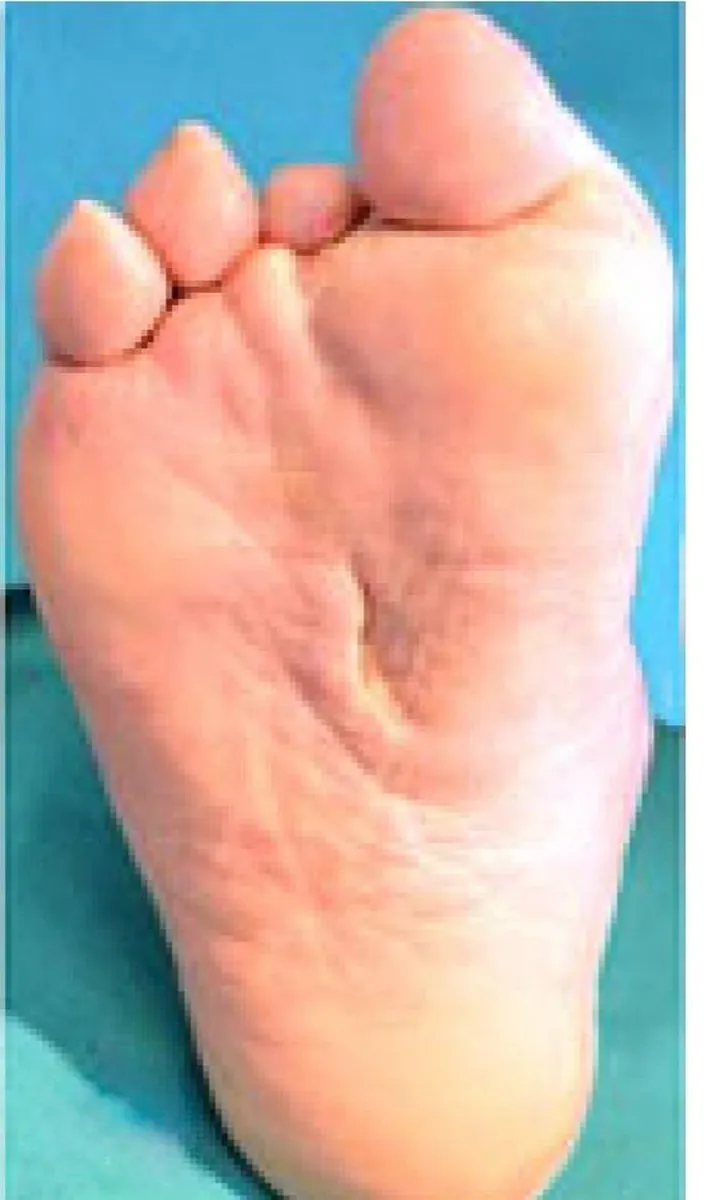
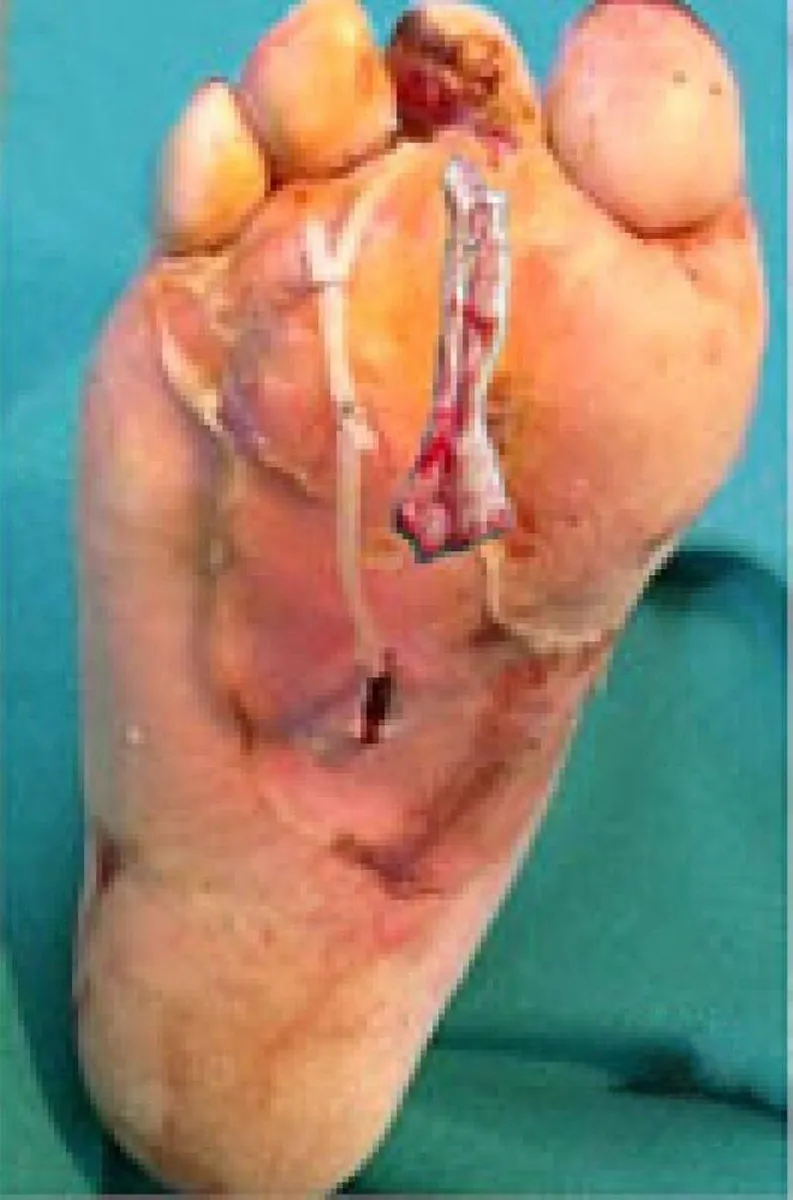 Before
After
Photos are shared with patient consent. Results vary from person to person. See more results
Benefits of Diabetic Foot Management
Protecting Your Foot
Treatment aims to heal the wound while keeping as much of the foot working as possible.
Prompt Infection Control
Infected tissue is removed early, with antibiotics guided by swab or tissue results.
Working With Your Diabetologist
Dr. Junaid coordinates with your physician so that blood sugar control supports healing.
A Clear Plan for Home
You and your family learn how to dress the wound, rest the foot and spot warning signs.
Reconstructive Options
Skin grafts and local flaps can cover clean wounds that will not close on their own.
Prevention
Foot-care and footwear advice helps lower the chance of a new ulcer forming.
Are you a good candidate?
Diabetic foot care with Dr. Junaid may help if you have diabetes and:
- A foot ulcer or wound that is not healing
- An infected toe, nail bed or area of the foot
- A clean wound with exposed bone or tendon that needs covering
- Dark or dead-looking skin on a toe or part of the foot
- Reduced feeling in your feet and a new blister, crack or corn
- A previous ulcer or toe amputation and a wish to prevent another
Spreading redness, swelling, pus, a bad smell or fever needs urgent attention. Go to the nearest emergency department rather than waiting for a clinic appointment.
Recovery & aftercare
Diabetic foot wounds usually heal over weeks to months. A typical path looks like this:
- First days
Infection is controlled with debridement and antibiotics, and blood sugar is brought under control with your physician.
- Weeks 1–4
Regular dressing changes and strict off-loading. Keeping weight off the foot is one of the most important parts of healing.
- After a skin graft
Usually no weight on the foot for one to two weeks, with the grafted area healing over roughly three to six weeks.
- After flap surgery
A longer recovery, often with four to six weeks of restricted activity.
- Long term
Daily foot checks, proper footwear and regular review with your diabetologist help prevent new ulcers.
Healing is slower when blood sugar is high, circulation is poor or the foot is walked on too soon. Results vary between people, and Dr. Junaid adjusts the plan at every visit.
Diabetic Foot Management FAQs
When should I see a doctor about a foot wound?
Any wound on the foot of someone with diabetes deserves prompt attention, even if it does not hurt. Go to the nearest emergency department the same day if there is spreading redness, swelling, pus, a bad smell, darkening skin or a fever.
Will I need an amputation?
Not necessarily. Many diabetic foot wounds heal with early, well-organised care. In some cases removing a toe or a small part of the foot is the safest way to stop infection and protect the rest of the leg. Dr. Junaid aims to save as much as is safely possible and explains the reasons behind any recommendation.
Is treatment painful?
Many people with diabetic foot ulcers have reduced feeling, so dressings may cause little discomfort. Debridement and surgery are done under local, regional or general anaesthetic, and pain relief is given afterwards as needed.
How long does recovery take, and will I need time off work?
Healing usually takes weeks to months. Because keeping weight off the foot is essential, jobs that involve standing or walking may need a longer break. Desk-based work can often continue with the right off-loading and support.
Once healed, will the ulcer come back?
It can, because the nerve and circulation changes caused by diabetes remain. Good sugar control, daily foot checks, proper footwear and regular review with your diabetologist lower the chance of a new ulcer. Results vary between people.
What can I do to avoid a foot ulcer in the first place?
Many can. Check your feet every day, including between the toes, keep the skin moisturised but dry between the toes, and cut nails straight across. Avoid walking barefoot, even at home, in the mosque or on hot ground in summer. Wear soft, well-fitting shoes and have any new mark checked early.
How much does diabetic foot treatment cost?
The cost depends on the size and depth of the wound, whether surgery, negative pressure therapy or a skin graft is needed, the number of visits and any hospital stay. A personalised quote follows your consultation, and the cost guide explains these factors.
Can I have an online consultation from abroad?
Yes. This can be helpful if you are arranging care for a parent in Pakistan. Send clear photos of the foot on WhatsApp and book a video consultation with Dr. Junaid. The final plan is confirmed after an in-person examination, and a foot showing signs of spreading infection should be seen at the nearest emergency department without delay.
What are the risks or side effects of diabetic foot treatment?
Debridement can cause some bleeding, and wounds heal more slowly in diabetes. Risks include infection spreading, part of a graft or flap not taking, the ulcer coming back and, in some cases, the need to remove a toe or part of the foot to control infection. Risks are reduced by early treatment, good blood sugar control, keeping weight off the foot, not smoking and regular review. Dr. Junaid explains the risks of each step with you.
Roman Urdu mein maloomat (ذیابیطس کے پاؤں کا علاج)
Sugar (diabetes) ke mareezon mein paon ka chhota sa zakhm bhi jaldi bigar sakta hai aur der se bharta hai. Dr. Junaid Fateh Lahore mein mareezon ko dekhte hain aur aap ke diabetes ke doctor ke sath mil kar zakhm bharne aur paon ko bachane ka ilaj karte hain. Mashware ke liye WhatsApp par rabta karein.
WhatsApp par mashwara book karein