Quick answer
Otoplasty, or ear pinning, reshapes ear cartilage so prominent ears sit closer to the head. In Lahore, FCPS plastic surgeon Dr. Junaid Fateh treats adults and children from about five or six years old. It is a 1 to 2 hour day case under local with sedation, or general anaesthesia for young children. Recovery takes about 1 week, and results are permanent. Cost depends on your plan and is confirmed after consultation.
Also known as: Ear pinning, Ear pinning surgery, Ear reshaping surgery, Pinnaplasty, Bat ear correction, Prominent ear correction, Kaan ki surgery, Bahar nikle kaan ka ilaj · کانوں کی سرجری
About otoplasty
Ears that stick out are usually present from birth and are simply a variation in how the cartilage developed. Often the natural fold in the upper part of the ear has not formed fully, or the bowl of the ear is deeper than usual and pushes the ear away from the head. It is not a health problem, but it can attract unwanted comments, especially at school.
Otoplasty, sometimes called ear pinning, reshapes the cartilage so the ears sit closer to the head and look in proportion with the face. Dr. Junaid Fateh performs ear reshaping surgery in Lahore for children and adults, along with related procedures such as the repair of stretched or split earlobes.
Many adults have lived with prominent ears for most of their lives, keeping their hair long or reaching for a cap to hide them. Surgery works just as well in adulthood, and there is no upper age limit.
How Dr. Junaid approaches otoplasty
Every ear is different, so Dr. Junaid begins by working out exactly why yours stand out. He checks the fold of the upper ear, the depth of the ear bowl, the position of the earlobe and how the two sides compare. This tells him which parts need reshaping and avoids over-correcting areas that already look fine.
He aims for ears that look natural from every angle, with soft curves rather than a flat, pressed-back appearance. Both ears are assessed together for symmetry, although no two ears are ever exactly identical, even after surgery.
For children, he takes time to speak with the child as well as the parents, explains the bandage and aftercare in simple terms, and discusses the most suitable anaesthetic. Adults are usually treated under local anaesthetic with sedation.
Like any surgery, otoplasty has risks, including bleeding, infection, thickened scars, changes in skin sensation and the ears gradually moving back a little. Dr. Junaid explains these at consultation, together with how careful technique and good aftercare help reduce them.
Techniques and options
Depending on the shape of the ear, the plan may include:
- Antihelical fold reshaping: Permanent internal stitches, sometimes with gentle shaping of the cartilage, recreate the natural fold in the upper ear so it curves back softly.
- Conchal setback or reduction: The deep bowl of the ear is stitched back towards the head or reduced slightly, bringing the whole ear closer.
- Earlobe correction: Large or forward-pointing earlobes are adjusted so they match the rest of the corrected ear.
- Asymmetry correction: When only one ear stands out, that side is reshaped to match the other as closely as possible.
- Torn or stretched earlobe repair: A short procedure under local anaesthetic closes a split or enlarged piercing hole.
- Ear reconstruction: Rebuilds part of an ear lost to injury, or an underdeveloped ear, usually in planned stages using cartilage and skin from your own body.
What to expect on the day
Otoplasty is usually a day-case procedure that takes one to two hours. Afterwards a padded bandage is wrapped around the head, and you or your child are usually discharged the same day. You leave with clear guidance on comfort, sleeping position and when to come back for the bandage check.
Before & after
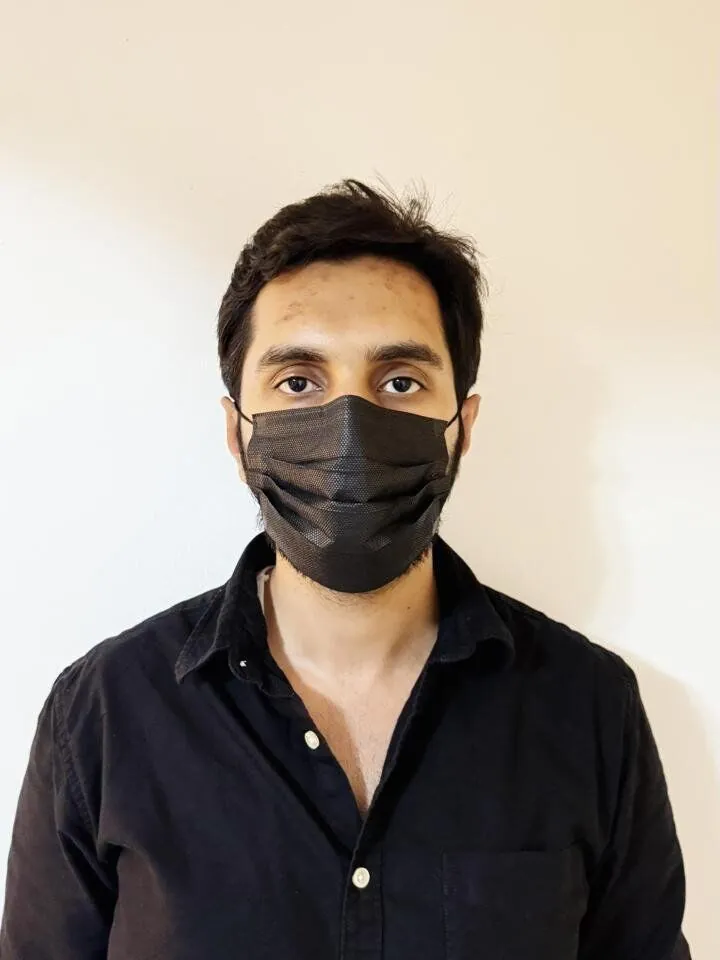
 Before
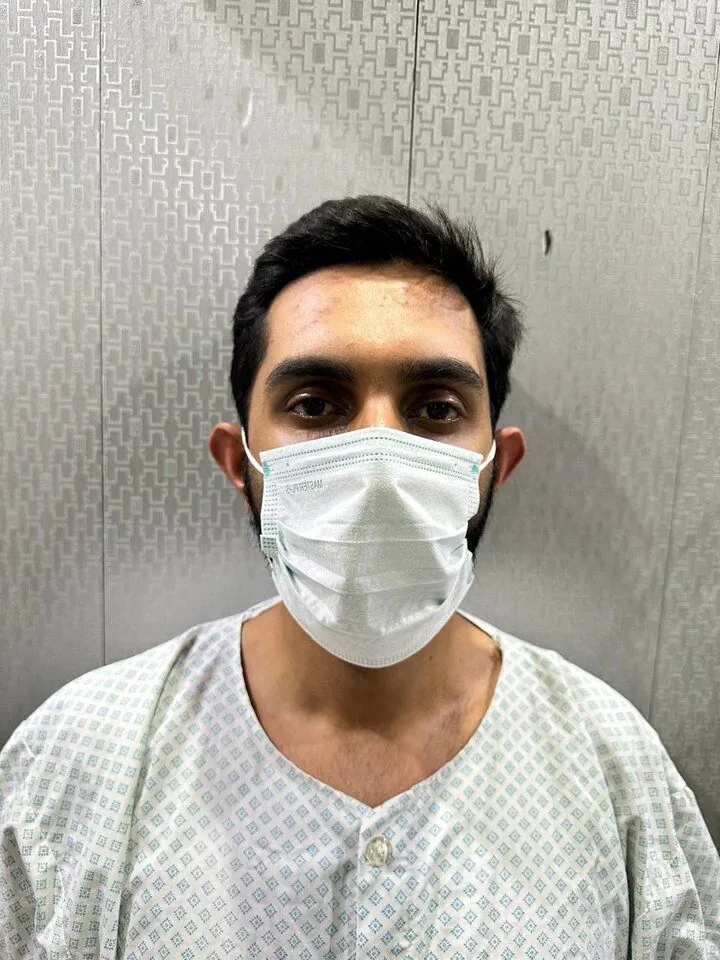
After
Photos are shared with patient consent. Results vary from person to person. See more results
Benefits of Otoplasty
Freedom with any hairstyle
Many people stop hiding their ears behind long hair or caps once the ears sit closer to the head.
Discreet scars
Incisions are placed in the groove behind the ear, where they are very hard to see.
For children and adults
Surgery can be done once the ears are close to adult size, from around five or six years old, with no upper age limit.
One ear or both
If only one ear stands out, it can be corrected on its own to match the other side.
Long-term correction
Once healing is complete, the reshaped cartilage holds its new position for the long term.
A quick return to routine
Most children are back at school and most adults back at work within about a week.
Are you a good candidate?
Otoplasty may be suitable if you (or your child):
- Have ears that stick out noticeably from the side of the head
- Have ears that differ from each other in size, shape or angle
- Are missing the natural fold in the upper ear, or have a deep, prominent ear bowl
- Are at least five or six years old, when the ears are close to adult size
- Are in good health, with no ongoing ear infections
- Have a stretched or split earlobe from heavy earrings and want it repaired
- Want the change for yourself, which matters especially for older children and teenagers
For children, Dr. Junaid talks with both the child and the parents. Surgery tends to go best when the child understands what is involved and wants it too.
Recovery & aftercare
Recovery after otoplasty is usually straightforward. These are the typical stages, though healing varies:
- Days 1–5
A padded head bandage protects the ears and holds them in position. Some aching and throbbing is normal and eases with simple painkillers.
- Around 1 week
The bandage is removed and your ears are checked. They may look swollen, red or bruised at first. Most people return to school or desk work around now.
- Weeks 2–6
A soft headband is worn, usually at night, to stop the ears folding forward during sleep. Avoid contact sports and anything that could bend the ears.
- Months 2–3
Swelling has largely settled, the scar behind the ear softens, and the final shape becomes clear.
If you can, plan surgery around school holidays. Many families find the cooler months more comfortable than the peak of a Pakistani summer for wearing a head bandage.
What patients say
Had my ears pinned back by Dr. Junaid. I finally feel comfortable wearing my hair short. Subtle change but huge impact on my confidence.
Otoplasty FAQs
How much does otoplasty cost in Lahore?
The fee depends on whether one or both ears are treated, how much reshaping is needed, the type of anaesthesia, which can differ for children and adults, and whether earlobe work is added. Dr. Junaid confirms a personalised quote after examining the ears at consultation. The cost guide explains what goes into surgical pricing.
At what age can otoplasty be done?
Ear surgery is usually done from about five or six years old, when the ears have nearly finished growing. Many families choose to correct prominent ears before or early in the school years. Adults can have otoplasty at any age.
Is otoplasty painful?
Adults are usually treated under local anaesthetic with sedation, so they feel pressure but not pain. For young children, Dr. Junaid discusses the safest anaesthetic option with parents, and general anaesthesia is often preferred. Afterwards the ears ache and feel tender for a few days, which is managed with simple painkillers.
Are the results of otoplasty permanent?
The new ear shape is long-term for most people. In some cases the ears can move back slightly over time, especially after an injury or if the headband advice is not followed, and a small adjustment may occasionally be needed. Results vary between people.
How long will I or my child need off school or work?
Most people need about a week off. Keep away from contact sports, swimming and rough play for roughly six weeks, or until your ears have healed well at review.
Will the scars be visible?
The incision sits in the natural groove behind the ear, so the scar is hidden in normal view and fades with time. Some people form thicker or raised scars, so Dr. Junaid asks about your scarring history and gives aftercare advice to help.
Can a torn or stretched earlobe be repaired?
Yes. Earlobes stretched or split by heavy earrings, often after years of wearing wedding jewellery, can be repaired in a short procedure under local anaesthetic. You will be advised how long to wait before the ear is pierced again.
Can I have an online consultation from abroad?
Yes. Families living abroad often begin with a few WhatsApp photos of the ears, taken from the front, the back and each side, followed by a video call. Dr. Junaid uses this to explain what kind of correction is likely and how recovery works for a child or an adult. He makes the final decision after seeing the ears in person, and your trip should include at least a week after surgery for the bandage check.
What are the risks or side effects of otoplasty?
Like any surgery, otoplasty has possible risks. Swelling, bruising and soreness are expected for the first days. Less common problems include infection, bleeding under the bandage, a thick or raised scar behind the ear, a slight difference between the two ears and the ears moving back a little over time, which occasionally needs a small adjustment. Careful technique, the head bandage, the night-time headband and keeping your follow-up visits all help reduce these risks.
When will I see the final results of otoplasty?
You see the new position of the ears when the bandage comes off at around one week, although they may look swollen, red or bruised at first. Swelling has largely settled by two to three months, when the scar behind the ear has softened and the final shape is clear.
Roman Urdu mein maloomat (کانوں کی سرجری)
Otoplasty ya ear pinning surgery se bahar nikle hue ya ghair barabar kaanon ko sar ke qareeb aur mutanasib kiya jata hai, aur nishan kaan ke peeche chhup jata hai. Yeh bachon aur baron dono ke liye hai. Dr. Junaid Fateh Lahore mein mareezon ko dekhte hain, mashware ke liye WhatsApp par rabta karein.
WhatsApp par mashwara book karein