Quick answer
Cheek implants (malar augmentation) are shaped implants placed over the cheekbones, usually through incisions inside the mouth, to add definition to flat cheeks or a hollow mid-face. In Lahore they are placed by FCPS plastic surgeon Dr. Junaid Fateh. Surgery takes 1 to 2 hours as a day case under general anesthesia or local with sedation, with 1 to 2 weeks off. Results are permanent. Cost depends on your plan and is confirmed after consultation.
Also known as: Malar augmentation, Cheek augmentation, Cheekbone implants, Malar implants, Submalar implants, Gaalon ke implant, Gaal ubharne ki surgery · گالوں کے امپلانٹ
About Cheek Implants (Malar Augmentation)
The cheekbones give the face much of its shape. When they are naturally flat, or when the mid-face loses volume with age, the face can look tired or less defined, and the nose or jaw may appear more prominent than you would like.
Cheek implants, also known as malar augmentation, are shaped implants, most often made of solid silicone, placed over the cheekbone to add projection. They come in several shapes and sizes. Some sit directly on the cheekbone to make it stand out more, while others sit lower to fill hollows beneath it.
Dr. Junaid Fateh, a plastic, cosmetic and reconstructive surgeon in Lahore, offers cheek implants alongside fat grafting and non-surgical options, so you can compare the choices properly before you decide.
How Dr. Junaid approaches cheek implants
The consultation looks at your face as a whole. Dr. Junaid examines your cheekbones from several angles, how they relate to your eyes, nose and jaw, and whether the issue is bone structure, soft-tissue volume or a mix of both. This helps decide whether an implant, fat grafting or filler would give the most natural result.
If an implant is the right choice, he selects its type, size and position to suit your anatomy. Modest changes often look the most natural. Most faces are slightly different on each side, so careful measurement and placement help both cheeks look balanced. He will explain where the incisions go, usually inside the mouth, and how to look after them while they heal.
Like any surgery, cheek implants carry risks. These include infection, swelling, implant movement, asymmetry, temporary numbness of the cheek or upper lip and, occasionally, the need for a further operation to adjust or remove an implant. Dr. Junaid discusses each of these at your consultation, along with practical steps that lower them, such as careful oral hygiene and not smoking.
Techniques and options
- Malar implants: Sit on the cheekbone itself to increase height and projection for a more sculpted look.
- Submalar implants: Sit just below the cheekbone to fill hollows and soften a gaunt mid-face.
- Combined implants: Cover both areas for people who need projection and mid-face volume together.
- Fat grafting to the cheeks: Uses your own fat instead of an implant, suited to softer, more gradual volume restoration.
- Cheek fillers: A non-surgical, temporary option for subtle enhancement or for previewing a result before surgery.
- Custom-shaped implants: Implants trimmed or shaped to your own anatomy, useful when the two sides of the face differ or standard sizes do not fit well.
What to expect on the day
Cheek implant surgery usually takes one to two hours under general anesthesia or local anesthesia with sedation. Dr. Junaid marks your face, places the implants through small incisions inside the mouth and closes them with dissolving stitches. Most people go home the same day with clear aftercare instructions and a follow-up appointment.
Because you will have had sedation or general anesthesia, arrange for someone to take you home and stay with you for the first night. Have soft foods, mouthwash and an extra pillow ready before the day, so you can rest comfortably while the early swelling settles.
Before & after
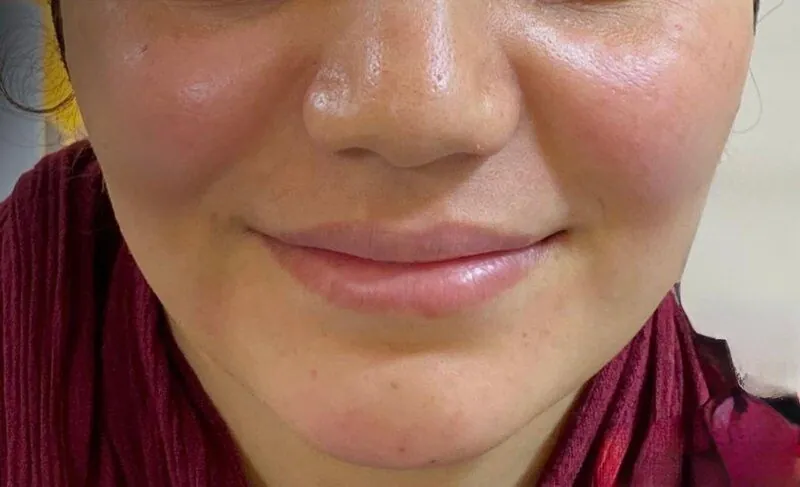
 Before
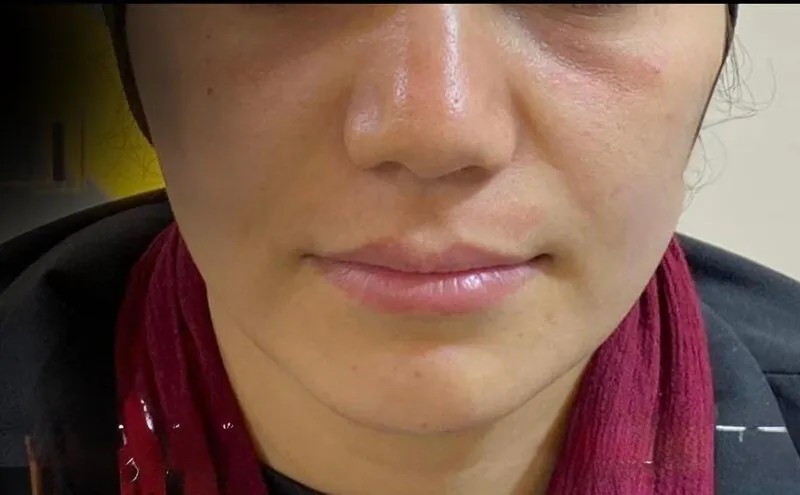
After
Photos are shared with patient consent. Results vary from person to person. See more results
Benefits of Cheek Implants
Defined Cheekbones
An implant adds projection where the cheekbone is flat, giving the face more shape and structure.
Better Facial Harmony
Fuller cheekbones can balance a prominent nose or jaw and help frame the eyes.
Permanent Result
A solid implant does not break down like filler, though it can be removed later if you ever wish.
No Facial Scar
Implants are usually placed through a small cut inside the upper lip, so nothing shows on the skin.
Chosen to Fit You
Implant type, size and position are selected to suit your bone structure and your goals.
Mid-Face Support
Implants placed below the cheekbone can fill the hollowing that comes with age or weight loss.
Are you a good candidate?
Cheek implants may suit you if you:
- Have naturally flat or underdeveloped cheekbones
- Feel your mid-face looks hollow or sunken
- Want a permanent change rather than repeated filler sessions
- Have finished facial growth, usually from around 18 onwards
- Have healthy teeth and gums, since the implant is often placed through the mouth
- Are in good general health and have realistic expectations
If you are unsure about a permanent change, Dr. Junaid may suggest trying cheek fillers or fat grafting first so you can see how extra volume looks on your face.
Recovery & aftercare
Most people find cheek implant recovery manageable. Healing varies, but a typical course looks like this:
- Days 1–3
Your cheeks feel swollen and tight, and smiling may feel stiff. Painkillers, cool compresses, soft food and sleeping with your head raised help.
- Week 1
Swelling reaches its peak and then starts to ease. Rinse your mouth after meals as advised, because the incisions are inside it.
- Week 2
Most people go back to work and everyday life, although some puffiness can remain.
- Weeks 4–6
Exercise can usually restart once Dr. Junaid is happy with healing. Avoid pressing on your cheeks or contact sports until you are cleared.
- Month 3
Remaining swelling has settled and the implants have bedded in, revealing your final contour.
Contact the clinic promptly if you notice increasing pain, redness, swelling on one side, fever or a bad taste in the mouth, as these can be early signs of infection.
Cheek Implants FAQs
Should I choose implants or fillers for my cheeks?
Fillers are quick, adjustable and temporary, so they suit people who want a subtle change or a trial run. Implants need surgery but give a permanent, more structural result. Dr. Junaid explains the pros and cons of each for your face.
Will my cheek implants look natural?
When an implant is the right size and sits in the right position, it should look like your own cheekbone. Dr. Junaid generally favors a size that matches your proportions rather than the largest option, and results vary between people.
Can a cheek implant move out of place?
The implant sits in a snug pocket against the bone and is sometimes secured with a small screw or stitch, which helps keep it in position. Movement is uncommon but possible, especially in the first weeks, which is why you are asked not to press on your cheeks.
Is cheek implant surgery painful?
You are asleep, or sedated with local anesthesia, during the operation. Afterwards most people feel tight and sore rather than in sharp pain, and this usually eases within a few days with prescribed painkillers.
How long do cheek implants last?
Implants are designed to be permanent and do not wear away like fillers. The face around them will keep aging naturally, and an implant can be removed or exchanged in future if needed.
How much time off work do I need?
Most people take one to two weeks off. Swelling is the main reason to stay home, so plan ahead if you have a wedding or family function coming up.
How much do cheek implants cost in Lahore?
The price depends on the type and size of implant, the approach used, the type of anesthesia and whether surgery is combined with another procedure. Dr. Junaid confirms a personalized quote once he has examined you, and the cost guide covers what affects the fee.
Can I have an online consultation from abroad?
Yes. Send front, side and angled photos of your face on WhatsApp and book a video consultation. Dr. Junaid can talk through whether implants, fat or fillers might suit you, and the final plan, including implant size, is confirmed when he examines you in person.
What are the risks or side effects of cheek implants?
Like any surgery, cheek implants carry risks. Swelling, stiffness when smiling and temporary numbness of the cheek or upper lip are common early on. Less common risks include infection, which can mean the implant has to be removed, the implant shifting, asymmetry and edges that can be felt or seen. Choosing a size that suits your face, a snug pocket, mouth rinses after meals and avoiding pressure on the cheeks help reduce these risks.
When will I see the final results of cheek implants?
Swelling peaks in the first week and then eases, and most people return to work at around two weeks with some puffiness left. By about three months the swelling has settled and the implants have bedded in, revealing your final contour.
Roman Urdu mein maloomat (گالوں کے امپلانٹ)
Cheek implants mein aam taur par munh ke andar se chhota sa cut laga kar gaal ki haddi par implant rakha jata hai, taake chapte gaal ubhre hue aur chehra mutanasib lage. Dr. Junaid Fateh Lahore mein mareezon ko dekhte hain. Mashware ke liye WhatsApp par rabta karein.
WhatsApp par mashwara book karein