Quick answer
PRP therapy uses platelet-rich plasma from your own blood to improve skin texture, tone and fine lines. With microneedling it is called a vampire facial. FCPS plastic surgeon Dr. Junaid Fateh offers it to patients in Lahore. Sessions take 30 to 60 minutes under numbing cream, redness settles in 1 to 3 days, and results build over 3 to 6 sessions. Cost depends on your plan and is confirmed after consultation.
Also known as: Vampire facial, PRP facial, Platelet-rich plasma therapy, PRP injections for the face, PRP face treatment, Apne khoon se chehre ka ilaj · پی آر پی فیشل
About PRP Therapy
Platelets are the cells in your blood that help wounds heal. They carry growth factors, natural signalling proteins that encourage tissue repair and the production of new collagen. PRP, short for platelet-rich plasma, concentrates these platelets from a small sample of your own blood so they can be returned to the skin where they are needed.
On the face, PRP is used to improve skin quality: a dull complexion, early fine lines, crepey skin under the eyes and mild acne scarring. When it is combined with microneedling, the treatment is often called a vampire facial. Dr. Junaid Fateh offers PRP as part of his non-surgical aesthetics work in Lahore.
It is worth being clear about what to expect. PRP is a gentle, gradual treatment rather than a dramatic one. Changes tend to be subtle, appear over weeks and build across a course of sessions. Research into PRP for the skin is still developing, and results vary between people.
How Dr. Junaid approaches PRP therapy
Dr. Junaid starts by examining your skin and asking what you would most like to change. If PRP alone is unlikely to meet your goals, for example with deep lines or marked volume loss, he will say so and explain the alternatives, such as fillers, peels or a combined plan.
Preparation matters. Blood is drawn using sterile technique, spun in a centrifuge so the plasma separates out, and used fresh during the same visit. Dr. Junaid then decides whether to inject it, apply it with microneedling, or both, depending on your concern. He also checks your medicines and health history, since some conditions make PRP less suitable or less effective.
Because PRP works best as a course, he also sets out a realistic timeline at the start, with review points along the way. Photos taken before your first session make it easier to judge progress fairly, rather than relying on memory.
Techniques and options
- PRP with microneedling (vampire facial): Fine needles create tiny channels while PRP is applied over the skin, combining collagen stimulation with growth factors.
- Injected PRP: Small amounts are placed under the skin with a fine needle to treat specific areas.
- Under-eye PRP: A gentle option for thin, crepey skin under the eyes; it does not replace filler where hollows are deep.
- PRP for acne scars: Usually combined with microneedling or other scar treatments over several sessions.
- PRP as an add-on: Used alongside other skin treatments as part of a wider plan when it is likely to help.
- PRP for wound and soft-tissue healing: Used in selected slow-healing wounds or after some procedures to support the body’s own repair, as part of a wider treatment plan.
What to expect on the day
A small amount of blood is taken from your arm, much like a routine blood test. While it is being prepared, numbing cream is applied to your face. The whole appointment takes 30 to 60 minutes, and you go home the same day with clear aftercare advice. Your face may look pink and slightly puffy for the rest of the day, so many people book in the afternoon or before a day off.
Before & after
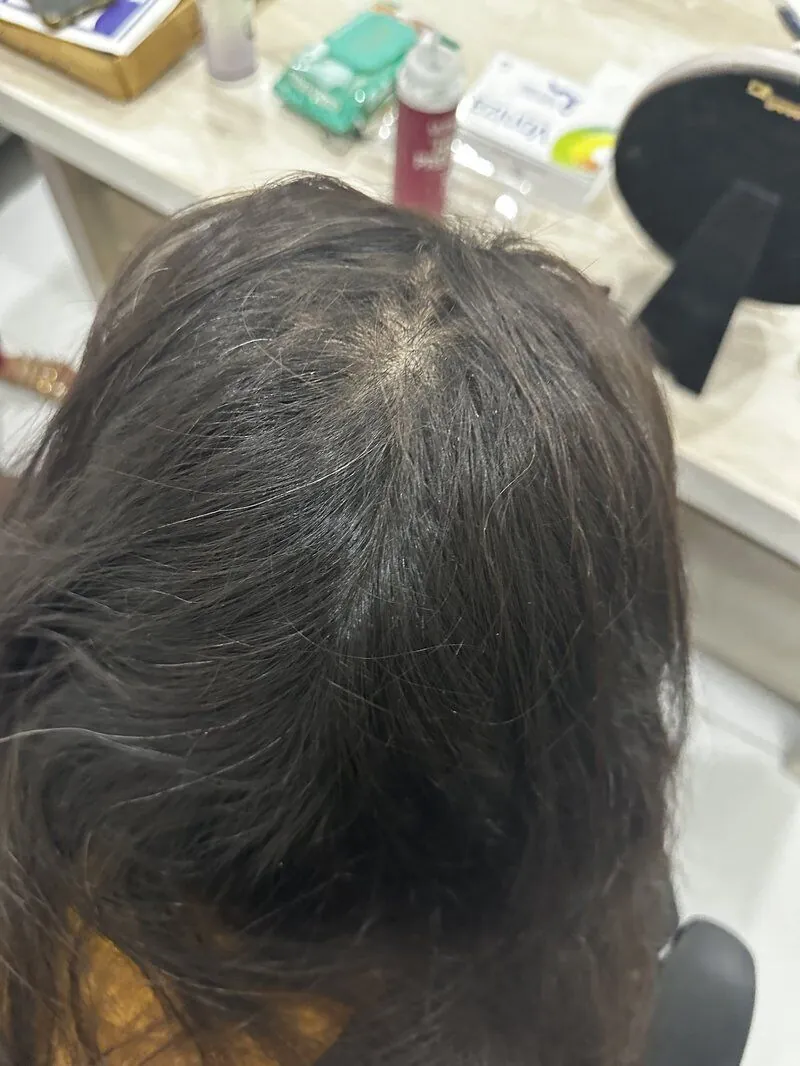
 Before
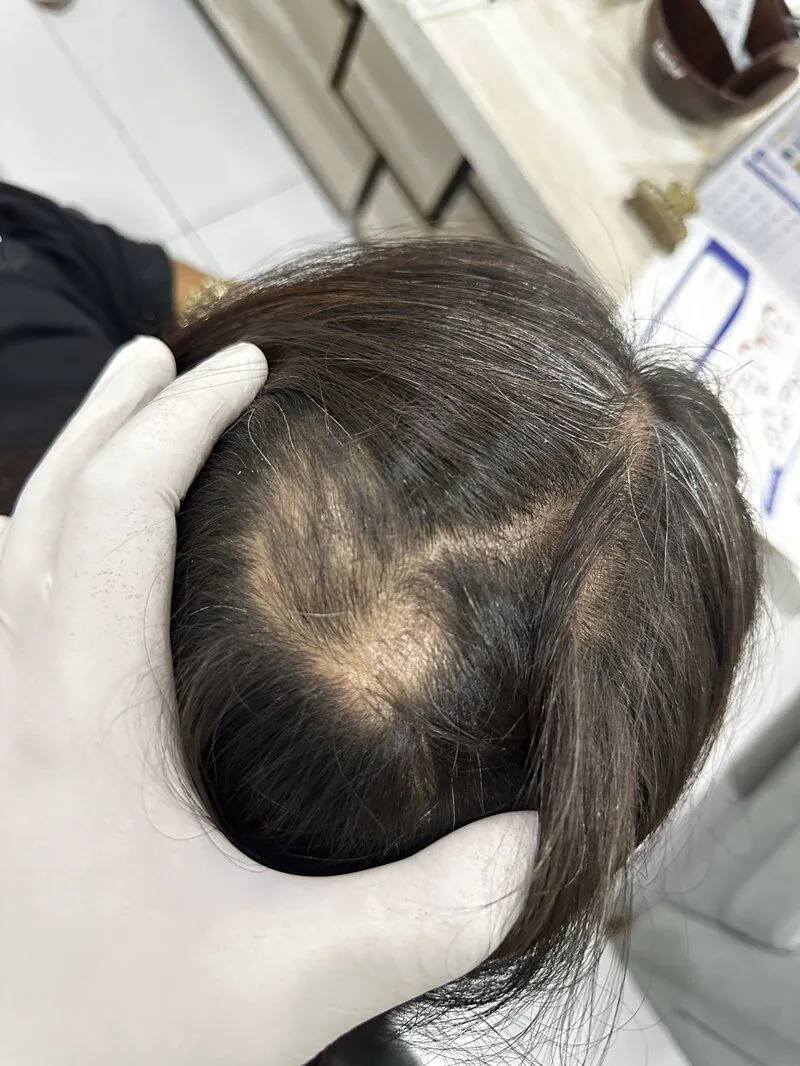
After
Photos are shared with patient consent. Results vary from person to person. See more results
Benefits of PRP Therapy
From Your Own Blood
The plasma is prepared from a small sample of your own blood, so the risk of allergy is very low.
Gentle on the Skin
A good choice if you want fresher skin without fillers or stronger resurfacing treatments.
Better Texture and Glow
Over a course of sessions, many people notice smoother, brighter-looking skin.
Works Well in Combination
PRP pairs naturally with microneedling and can support other skin treatments in a wider plan.
Short Recovery
Redness usually settles within one to three days.
Doctor-Supervised
Blood is drawn and prepared under clinical conditions, and Dr. Junaid decides where and how it is used.
Are you a good candidate?
PRP may be worth considering if you:
- Have dull, tired-looking skin or early fine lines
- Want to improve mild acne scarring or uneven texture
- Are bothered by thin, crepey skin under the eyes
- Prefer a treatment based on your own blood rather than a manufactured product
- Are happy to commit to a course of sessions and wait for gradual change
- Are in good general health, without a blood or clotting disorder
PRP is usually not advised if you have a low platelet count, take blood-thinning medicines, have an active infection or are pregnant. Dr. Junaid reviews your health history before recommending it.
Recovery & aftercare
Recovery from PRP is short, and most people are back to normal life within a day or two.
- Straight after
Skin looks pink and may feel tight or slightly puffy, especially if PRP was combined with microneedling.
- First 24 hours
Keep make-up off, stay out of strong sun, skip swimming and the gym, and use only the gentle products the team suggests.
- Days 1–3
Redness fades. Any small bruises at injection points settle over a few days.
- Weeks 3–6
Early changes in brightness and texture may appear, and this is usually when the next session is booked.
- After a full course
Collagen continues to build over the following months, and occasional maintenance sessions help keep the benefit.
Use a broad-spectrum sunscreen every day during and after your course, because healing skin is more prone to dark marks.
What patients say
PRP therapy for my face has made a huge difference in my skin texture and glow. The treatment was comfortable and the results keep improving each session.
PRP Therapy FAQs
How much does PRP therapy cost in Lahore?
The cost depends on the area treated, whether PRP is combined with microneedling and how many sessions you need. Dr. Junaid gives you a personalised quote after your consultation, and the cost guide explains what affects the price.
Is PRP painful?
The blood draw feels like a routine blood test. Numbing cream is applied to the face before injections or microneedling, so most people feel only light pricking or pressure.
How long will the results of PRP last?
Improvements build gradually and can last many months, but they fade with time and natural ageing, so most people have maintenance sessions now and then. How long results last varies between people.
How many PRP sessions will I need?
A course of three sessions, around four to six weeks apart, is common, though some skin concerns need more. Dr. Junaid suggests a plan once he has assessed your skin.
Do I need time off after PRP?
Many people go back to work the next day. Redness after a combined microneedling session can last one to three days, so plan around important events.
Can I have an online consultation from abroad?
Yes. Send a few clear, make-up-free photos of your skin in daylight on WhatsApp and the team will book a video consultation with Dr. Junaid. Your treatment plan is confirmed in person at the clinic before you start.
Is PRP the same as a vampire facial?
Vampire facial is a popular name for PRP combined with microneedling. PRP can also be injected on its own, for example under the eyes. Dr. Junaid recommends the method that suits your skin.
Can PRP help with hair loss?
PRP is also used on the scalp for some types of hair thinning. That treatment is covered on the PRP hair therapy page, and Dr. Junaid can advise on both at the same consultation.
What are the risks or side effects of PRP therapy?
Because PRP is made from your own blood, an allergic reaction is very unlikely. Common effects are redness, mild swelling, tenderness and small bruises at injection points, which usually settle within one to three days. Infection is uncommon, and the risk is kept low by preparing the blood and treating the skin under clean clinical conditions. Healing skin can also be prone to dark marks, so daily sunscreen is advised. Dr. Junaid checks your health history first, since PRP is not advised with some blood disorders or blood-thinning medicines.
When will I see the final results of PRP therapy?
PRP works gradually. Early changes in brightness and texture may appear three to six weeks after a session, and the fuller result builds over a course of three to six sessions, with collagen continuing to form in the months that follow. Results vary between people.
Roman Urdu mein maloomat (پی آر پی فیشل)
PRP facial, jise vampire facial bhi kaha jata hai, mein aap ke apne khoon se platelets wala plasma tayyar kar ke chehre par lagaya jata hai. Is se kuch sessions ke baad jild ki banawat, rangat aur bareek lakeeron mein ahista ahista behtari aati hai. Dr. Junaid Fateh Lahore mein mareezon ko yeh treatment dete hain. Mashware ke liye WhatsApp par rabta karein.
WhatsApp par mashwara book karein