Quick answer
Scar revision makes wide, raised, tight or keloid scars from injury, burns or surgery less noticeable, using surgery, injections, silicone or resurfacing. In Lahore it is performed by FCPS plastic surgeon Dr. Junaid Fateh, who trained at Jinnah Burn & Reconstructive Surgery Centre. Treatment takes 30 minutes to 2 hours under local anesthesia, with 5 to 14 days of recovery. Improvement is gradual over months. Cost depends on your plan and is confirmed after consultation.
Also known as: Scar removal, Scar correction surgery, Keloid treatment, Scar contracture release, Z-plasty, Zakhm ke nishan ka ilaj, Jalne ke nishan ka ilaj, Operation ke nishan ka ilaj · زخم کے نشان کا علاج
About Scar Revision
Any wound that reaches the deeper layers of the skin heals with a scar. Most fade into a fine line, but some heal wide, raised, sunken or tight, or end up running across natural skin creases where they catch the light. Scars from road accidents, burns, cuts, earlier operations or skin conditions can affect how you feel about your appearance and, in some cases, how freely you can move.
Scar revision is a group of treatments that make a scar less noticeable or less restrictive. It may involve cutting out the old scar and closing the skin more precisely, changing the direction of the scar, softening raised tissue with injections or smoothing the surface. Often more than one method is combined over time.
Dr. Junaid Fateh is a plastic, cosmetic and reconstructive surgeon who trained at Jinnah Burn & Reconstructive Surgery Centre, Lahore. Scar revision draws on both sides of his work: reconstructive skills to release and rebuild tissue, and cosmetic attention to how the final line looks.
How Dr. Junaid approaches scar revision
At your consultation Dr. Junaid examines the scar closely, noting its width, height, color, direction and maturity, and whether it limits movement. He will ask how and when the scar formed, and whether you or your family tend to form keloids, since this changes the plan.
He then explains what is realistically achievable. A wide scar on the cheek may become a fine line. A keloid on the ear may need surgery followed by injections. A tight burn scar across a joint may need the surrounding tissue rearranged to restore movement. Natural-looking results come from careful planning of incision lines, gentle handling of tissue and well-judged stitching.
Timing matters too. Many scars keep softening on their own for up to 18 months, so operating on an immature scar can be premature. Like any surgery, scar revision carries risks, including infection, wound separation, a scar that heals no better or returns thicker, and color change. Dr. Junaid goes through the risks with you at consultation.
Techniques and options
- Scar excision: The old scar is cut out and the edges are closed in layers with fine stitches to leave a neater line.
- Z-plasty and W-plasty: Geometric techniques that change the direction of a scar or break up a straight line so it blends into natural creases and releases tension.
- Contracture release: A tight scar is released and the gap is closed with nearby skin flaps or a skin graft so the area can move freely.
- Steroid injections: Injected into raised or keloid scars over a series of sessions to flatten and soften them.
- Resurfacing: Options Dr. Junaid may recommend include dermabrasion, microneedling or laser to smooth an uneven surface.
- Fat grafting: Your own fat can lift a sunken or tethered scar and improve the quality of the skin over it.
- Silicone and pressure therapy: Gels, sheets or pressure garments support healing and help stop raised scars from returning.
What to expect on the day
Most scar revisions are done under local anesthesia as a day case and take from 30 minutes to two hours, depending on the size and number of scars. The area is cleaned and numbed, the planned technique is carried out and a dressing is applied. You go home soon afterwards with instructions on wound care, scar massage and sun protection, plus a date for stitch removal if needed.
Before & after
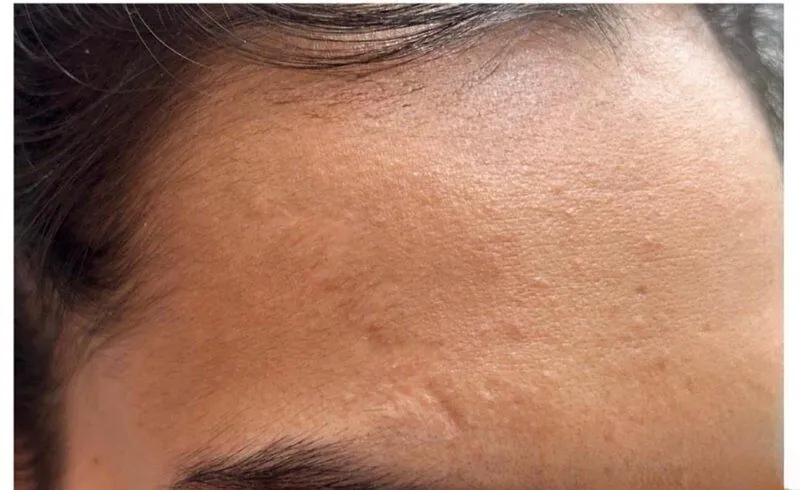
 Before
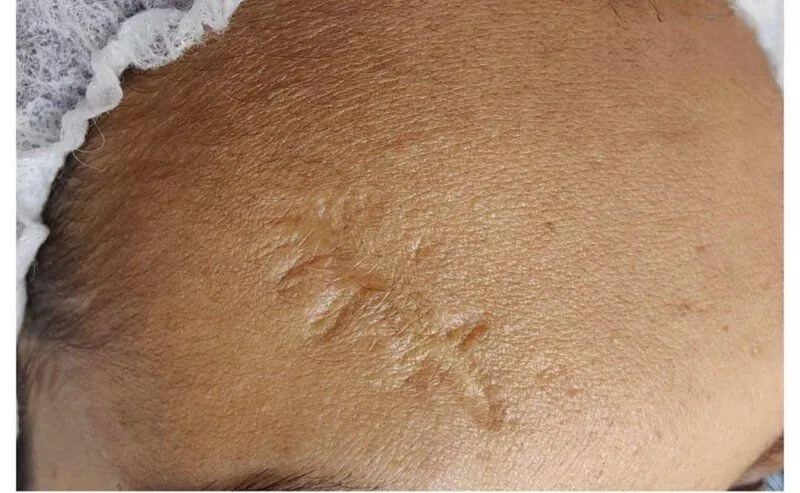
After
Photos are shared with patient consent. Results vary from person to person. See more results
Benefits of Scar Revision
Less Noticeable Scars
A revised scar is usually narrower, flatter and better blended with the skin around it.
Smoother Surface
Raised or sunken scars can be leveled so the skin looks and feels more even.
Freer Movement
Releasing a tight contracture scar can improve movement around a joint, the neck or the face.
Matched to Your Scar
Surgery, injections and resurfacing are chosen according to the type, site and age of your scar.
Better Camouflage
A scar can be redirected to follow natural skin creases, where it is easier to hide.
More Comfortable Skin
Treating itchy or tender raised scars can make them far less bothersome day to day.
Are you a good candidate?
Scar revision may help if you have:
- A scar that has healed wide, stretched, raised or sunken
- A scar that pulls on the surrounding skin or limits movement
- A hypertrophic or keloid scar that is thick, itchy or still growing
- A scar that stands out because it is much darker or lighter than the skin around it
- A scar that has had time to mature, usually a year or more after the injury or surgery
- Realistic expectations about improvement rather than complete removal
Some scars, such as keloids or scars that are still red and maturing, may first be treated with injections, silicone or pressure rather than surgery. Dr. Junaid will explain the best timing for yours.
Recovery & aftercare
Recovery depends on the method used and where the scar is. As a general guide:
- Surgical revision, week 1
The area is dressed and may be sore and swollen. Stitches usually come out after about five to seven days on the face, and a little later elsewhere on the body.
- Surgical revision, weeks 2–4
Avoid stretching, heavy lifting or strenuous activity that puts tension on the new scar.
- Injections and resurfacing
Steroid injections need very little downtime, while resurfacing leaves redness for several days. Repeat sessions are often spaced a few weeks apart.
- Ongoing scar care
Silicone gel or sheets, gentle massage when advised and strict sun protection help the new scar settle well.
- Months 6–18
The scar keeps flattening and fading as it matures, so the final result is judged after this period.
Keep your follow-up appointments, especially for keloids, because treating any early regrowth promptly gives the best chance of keeping it under control.
What patients say
Dr. Junaid significantly reduced a prominent scar from a childhood accident. His surgical precision is remarkable. The scar is barely visible now.
Scar Revision FAQs
Will my scar disappear completely?
No treatment can make a scar vanish entirely. What scar revision can do is make it narrower, flatter, closer in color to the nearby skin and better placed, so it draws far less attention.
When is the right time for scar revision?
Most scars keep improving on their own for 12 to 18 months, so surgical revision is usually planned once the scar has matured. Scars that restrict movement, or keloids that are growing, may be treated sooner. Dr. Junaid will advise on timing for your scar.
How is a keloid different from a hypertrophic scar?
A hypertrophic scar is thick and raised but stays within the line of the original wound, and it often improves with time. A keloid spreads beyond the wound edges, can keep enlarging and tends to return after simple removal, so it is usually managed with a combination such as steroid injections, careful surgery and pressure or silicone.
Is scar revision painful?
Most revisions are done under local anesthesia, so you feel pressure but not pain. Injections can sting briefly. Afterwards discomfort is usually mild and settles with simple painkillers.
How long do the results last?
The improvement from a surgical revision is permanent, although the scar keeps changing in appearance for many months as it matures. Keloids can come back, so they need follow-up. Results vary between people and depend on skin type, scar location and aftercare.
How much time off work do I need?
After a small facial revision, many people return to work within a few days to a week. Larger revisions, or scars over areas that move a lot, may need up to two weeks and a longer break from heavy work.
How much does scar revision cost in Lahore?
The fee depends on the size, number and location of the scars, the technique used and whether more than one session is needed. Dr. Junaid gives a personalized quote after examining the scar, and the cost guide explains the main factors.
Can I have an online consultation from abroad?
Yes. Send clear daylight photos of the scar on WhatsApp with a short note on how and when it formed, then book a video consultation. Dr. Junaid can explain the likely options, and the final plan is confirmed once he examines the scar in person.
What are the risks or side effects of scar revision?
Scar revision aims to improve a scar, but the new scar can still heal wider, thicker or darker than hoped, and keloids can come back. Other possible risks include infection, bleeding, the wound opening and changes in skin color, and steroid injections can occasionally thin or lighten the skin. Choosing the right timing and technique, keeping tension off the wound, silicone, sun protection and regular follow-up, with early treatment of any keloid regrowth, help reduce these risks.
When will I see the final results of scar revision?
A revised scar keeps changing for many months. It usually looks pink and slightly raised at first, then gradually flattens and fades. The final result is judged at around 6 to 18 months, and non-surgical treatments such as injections or resurfacing may need several sessions spaced a few weeks apart.
Roman Urdu mein maloomat (زخم کے نشان کا علاج)
Scar revision mein chot, jalne ya operation ke baad bane chaude, ubhre hue ya khinchne wale nishan ko surgery, injections ya doosre tareeqon se patla, hamwar aur kam numayan kiya jata hai. Dr. Junaid Fateh Lahore mein mareezon ko dekhte hain. Mashware ke liye WhatsApp par rabta karein.
WhatsApp par mashwara book karein