Quick answer
Burn reconstruction releases tight burn scars (contractures) and improves how scars look and feel, often using skin grafts or flaps. FCPS plastic surgeon Dr. Junaid Fateh, trained at Jinnah Burn & Reconstructive Surgery Centre, sees patients in Lahore. Each operation takes 1 to 6 hours under general anaesthesia, with 2 to 6 weeks of recovery. Improvement builds over several stages. Cost depends on your plan and is confirmed after consultation.
Also known as: Burn scar surgery, Burn contracture release, Burn scar revision, Post-burn deformity correction, Jalne ke nishan ka ilaj, Jale hue nishan ka operation, Jalne ke baad khinchao ka operation · جلنے کے نشانات کی سرجری
About Burn Reconstruction
A burn heals in two stages. First the wound closes, often after weeks of dressings or grafting. Then, over the following months, the new scar can thicken, tighten and pull. Burn reconstruction deals with that second stage: releasing scars that limit movement, replacing tight or fragile skin, and improving how the area looks and feels.
In Pakistan, burns often come from everyday sources, such as hot tea or water spilled on young children, gas cylinder and heater accidents in winter, kitchen flames and electrical injuries at work. Scars across the neck, armpit, elbow, hand and fingers are especially troublesome because they cross joints, and in children they can hold back normal growth.
Dr. Junaid Fateh is a plastic and reconstructive surgeon who trained at Jinnah Burn & Reconstructive Surgery Centre in Lahore, and burn reconstruction sits at the centre of his hand and reconstructive work. He treats adults and children, for scars from recent burns as well as contractures that have been present for years. If a burn has only just happened, cool it under running water for 20 minutes and go to the nearest emergency department or burns unit. Reconstruction comes later.
How Dr. Junaid approaches burn reconstruction
The first consultation is about building a plan, not booking a single operation. Dr. Junaid looks at every scar, measures how far each joint moves, and asks what troubles you most: pain, itching, an eyelid that will not close, a hand that cannot open, or simply how the scar looks. Together you agree on priorities, and areas that affect function or safety usually come first.
Timing is important. Scars keep changing for a year or more, and operating too early can lead to further tightening. While the scar matures, he may recommend pressure garments, silicone, massage, splints or steroid injections. Surgery is brought forward only when a contracture is causing real harm.
When surgery is right, he chooses the simplest technique that will do the job well, uses skin that matches as closely as possible, and plans incisions so new scars run in kinder directions. He is honest that a burn scar cannot be erased. The aim is better movement, comfort and appearance, and results vary between people. Like any surgery, burn reconstruction carries risks, and Dr. Junaid goes through them with you at consultation.
Aftercare is shared with you and your family. His team will teach you how to use splints, stretches and garments before you go home.
Techniques and options
Options Dr. Junaid may recommend include:
- Contracture release with skin grafting: Cutting across a tight band of scar so the joint can straighten, then covering the gap with a skin graft.
- Z-plasty and local flaps: Rearranging nearby skin in zigzag or triangular patterns to lengthen a scar band and change its direction.
- Full-thickness skin grafts: Thicker grafts that tighten less, well suited to the face, hands and other visible areas.
- Regional and distant flaps: Moving skin and tissue with its own blood supply to cover joints, tendons or areas that need durable padding.
- Tissue expansion: Gradually stretching healthy skin next to a scar over several weeks so it can replace the scar with matching skin.
- Fat grafting: Placing your own fat under a stuck-down scar to soften it and improve contour.
- Non-surgical scar care: Pressure garments, silicone, steroid injections and, where suitable, laser treatment to flatten and soften raised scars.
What to expect on the day
Most burn reconstruction is done under general anaesthetic, and you may stay in hospital for one to five days depending on the size of the area. You wake with a firm dressing and, over joints, a splint. Before discharge, the team explains dressing care, splint use and your first follow-up visit.
Before & after
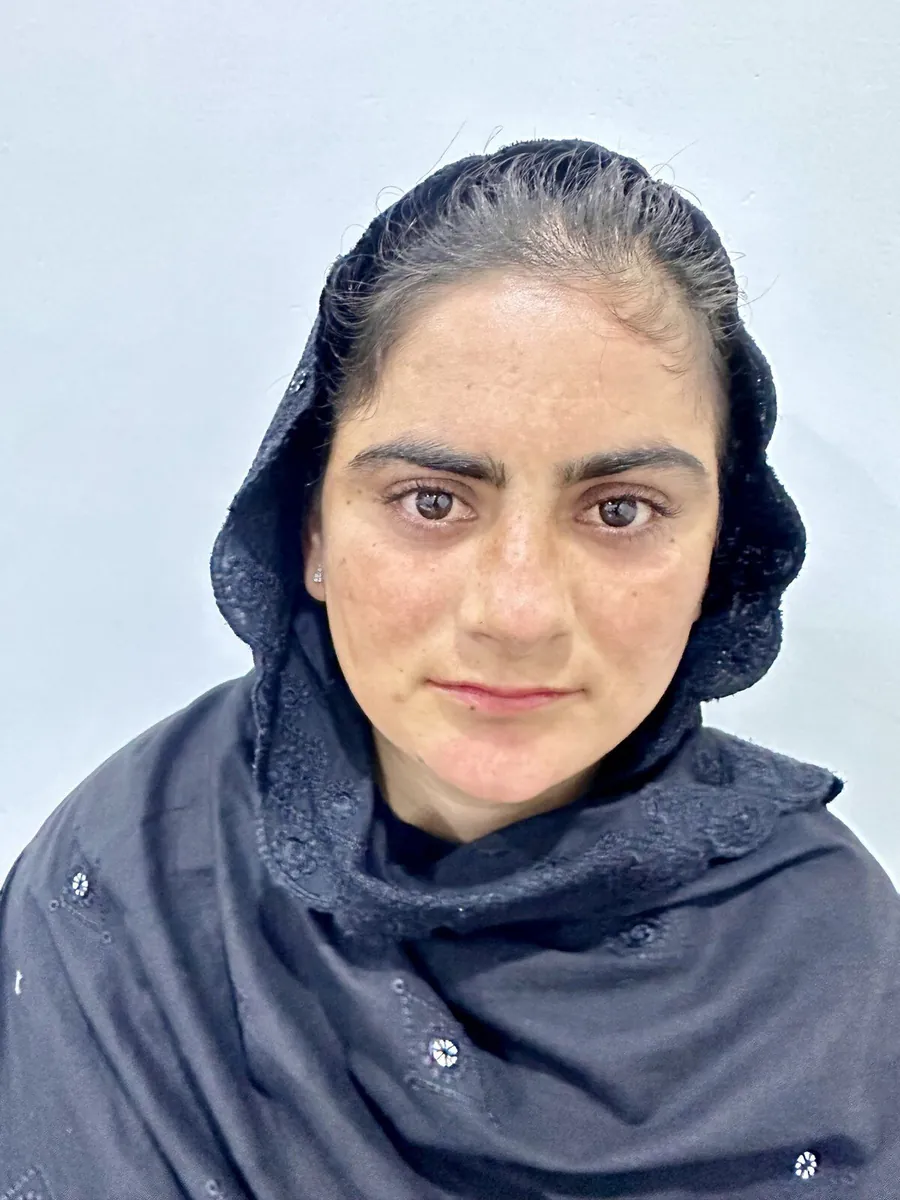
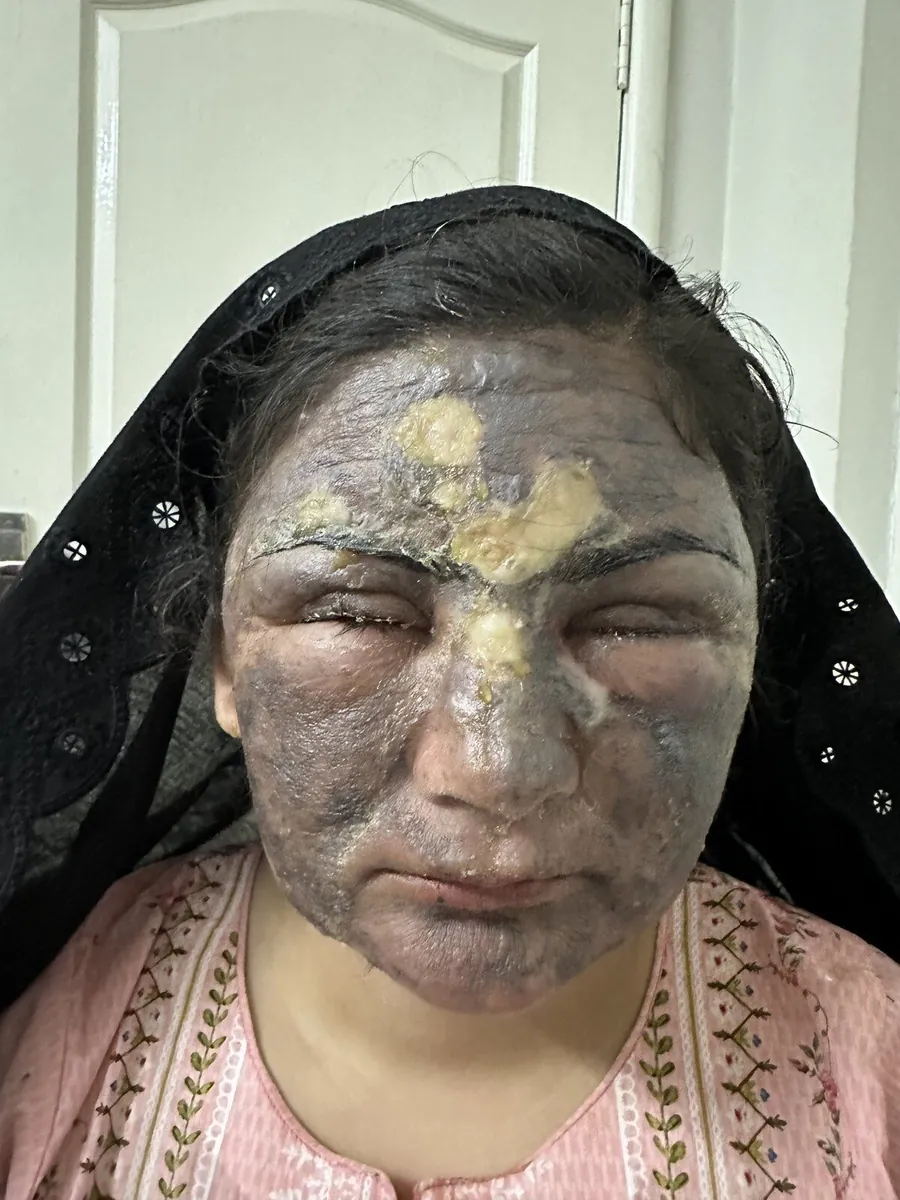 Before
After
Photos are shared with patient consent. Results vary from person to person. See more results
Benefits of Burn Reconstruction
Movement Restored
Releasing contractures across the neck, armpit, elbow, hand or fingers can give back range of motion that scarring has taken away.
Burn-Centre Training
Dr. Junaid trained in plastic surgery at Jinnah Burn & Reconstructive Surgery Centre, Lahore.
Softer, Calmer Scars
Surgery combined with good scar care can ease the itching, tightness and cracking that thick burn scars often cause.
Well-Timed Surgery
Operations are timed to scar maturity, unless an earlier release is needed to protect an eye, the mouth or a joint.
A Long-Term Plan
Larger burns are rarely treated in one operation, so you get a staged plan with clear priorities.
Confidence Back
Improving how scars look and feel can make it easier to return to school, work and family life.
Are you a good candidate?
Burn reconstruction may be right for you if:
- A tight scar stops you fully straightening your neck, elbow, knee, wrist or fingers
- Your burn scars are thick, raised, itchy or painful despite creams, silicone or pressure garments
- Scarring pulls on an eyelid, the lip or the corner of your mouth
- A child’s burn scar is restricting movement or pulling as they grow
- Scars on your face, neck or hands make you feel self-conscious
- Your burn wounds have fully healed and you are ready to follow a staged plan
Fresh burns need emergency care, not reconstruction. Cool the burn under running water for 20 minutes and go to the nearest emergency department or burns unit. A long-standing burn scar that keeps breaking down into a sore should also be checked promptly, as skin cancer can rarely develop in old scars.
Recovery & aftercare
Each operation in a burn plan has its own recovery. For a typical contracture release with a skin graft:
- Days 1 to 5
The graft is protected under a firm dressing and the area is kept still, often in a splint, while the new skin attaches.
- Days 5 to 7
The first dressing change shows how well the graft has taken. The donor site stays clean and covered.
- Weeks 2 to 3
The donor site usually heals. Gentle movement and stretching begin under guidance.
- Weeks 3 to 6
A splint is worn, often at night, to hold the stretch. Many people return to light work or school during this period.
- Months 3 to 12
Pressure garments, silicone, moisturiser and sun protection help the scar soften and fade. The next stage is planned once the tissues have settled.
Splints and exercises matter as much as the operation, because healing skin naturally tries to tighten again. Dr. Junaid’s team will show you and your family exactly what to do at home.
What patients say
Dr. Junaid reconstructed my burn scars with incredible skill. The improvement is dramatic and has restored my confidence completely. A truly gifted surgeon.
Burn Reconstruction FAQs
Someone has just been burned. What should we do?
Cool the burn under cool running tap water for 20 minutes. Remove rings, watches and any clothing that is not stuck to the skin, then cover the area loosely with cling film or a clean, non-fluffy cloth and keep the person warm. Do not apply ice, toothpaste, butter, oil or home remedies. Go to the nearest emergency department or burns unit, especially for burns to the face, hands, feet or genitals, large burns, electrical or chemical burns, or any burn in a child or an older person.
When is the right time for burn reconstruction?
Most scar surgery is planned once the scar has matured, usually around 12 to 18 months after the burn, when it has become paler, flatter and softer. Earlier surgery is considered when a contracture threatens an eye, the mouth, a joint or a child’s growth. Dr. Junaid will examine the scar and advise you on timing.
How many operations will I need?
That depends on the size, depth and location of the burn. A single tight band across a finger or elbow may need only one operation. Extensive burns are usually treated in stages over months or years, starting with areas that affect function and safety, such as the eyelids, mouth, neck and hands.
Is burn reconstruction painful?
Surgery is done under general anaesthetic, so you are asleep throughout. Afterwards both the treated area and the donor site will be sore, and many people find the donor site the more uncomfortable of the two for the first week. Regular pain relief and careful dressing changes keep this manageable.
How much time off work or school will I need?
Plan for roughly two to six weeks per operation, depending on the area and the size of the graft. Desk work may be possible within two weeks, while manual work and releases of the hand usually take longer. Children often return to school once dressings are reduced and they can move comfortably.
Can burn scars be removed, and will the results last?
No operation can erase a burn scar. The aim is a looser, flatter, more comfortable and less noticeable scar with better movement. A good release is lasting, but scars can tighten again, especially in growing children, so further surgery is sometimes needed. Results vary between people. Like any surgery, there are risks such as graft loss, infection, delayed healing and recurrence of tightness, and Dr. Junaid goes through these with you at consultation.
How much does burn reconstruction cost in Lahore?
The cost depends on how many areas are treated, the technique used (graft, flap or tissue expansion), the number of stages, the length of your hospital stay, and any splints or pressure garments. Dr. Junaid will give you a personalised quote after your consultation. For a general guide to what affects pricing, see the cost guide.
Can I have an online consultation from abroad?
Yes. Many families living overseas or in other cities start this way. Send clear photos of the scars, showing how far each joint can move, on WhatsApp and book a video consultation. Dr. Junaid can outline a likely plan, and the final plan is confirmed after he examines you in person in Lahore.
What are the risks or side effects of burn reconstruction?
Common issues are soreness at the donor site, swelling and slow healing at the edges of a graft. Less often, part of a graft or flap does not take, the wound becomes infected, or the scar tightens again over time, especially in growing children. Risks are reduced by careful timing, firm dressings, splints, good nutrition, controlled blood sugar and not smoking. Dr. Junaid explains the risks of your plan at consultation.
When will I see the final results of burn reconstruction?
Each operation has its own timeline. A graft usually settles over the first few weeks, but scars keep softening and fading for 3 to 12 months with pressure garments, silicone, moisturiser and sun protection. Because larger burns are treated in stages, the overall result builds gradually, and the next stage is planned once the tissues have settled.
Roman Urdu mein maloomat (جلنے کے نشانات کی سرجری)
Burn reconstruction mein jalne ke baad sakht aur khinche hue nishan ko dheela kiya jata hai, taake gardan, haath ya jodon ki harkat behtar ho aur nishan naram aur kam numayan hon. Dr. Junaid Fateh Lahore mein mareezon ko dekhte hain aur zaroorat ke mutabiq marhala-war ilaj ka plan banate hain. Mashware ke liye WhatsApp par rabta karein.
WhatsApp par mashwara book karein