 By Dr. Muhammad Junaid Fateh
· Updated · 5 min read
Key takeaways
- Most people return to office work and social life around one to two weeks after rhinoplasty, once the splint is off and bruising has faded.
- Swelling and bruising peak in the first few days; sleeping with your head raised helps them settle.
- Avoid resting glasses on the bridge of your nose for around six weeks, and avoid heavy exercise and contact sports until cleared.
- Most swelling settles over three to six months, but the final shape usually takes around twelve months, and longer with thicker skin.
- Heavy bleeding, fever, increasing pain or any knock to the nose should be reported to the clinical team promptly.
Most people return to office work and social life around one to two weeks after rhinoplasty, once the splint is off and the bruising has faded. The nose still looks and feels slightly swollen for several months, and the final shape usually settles at around twelve months, sometimes longer if your skin is thick.
Rhinoplasty recovery happens in stages, and knowing what is normal at each one makes the wait much calmer. The timings below are typical ranges. Dr. Junaid Fateh’s team gives you written aftercare for your own operation, and those instructions always come first.
Before surgery: get ready to rest
- Arrange help for the first two or three days, and someone to take you home.
- Stock up on soft foods, water, lip balm and saline spray if advised.
- Prepare pillows so you can sleep with your head raised.
- Stop smoking for as long as advised before and after surgery, since it slows healing.
- Check your medicines. Some medicines and supplements increase bleeding. Tell Dr. Junaid about everything you take, and do not stop prescribed medicines without his advice.
The day of surgery
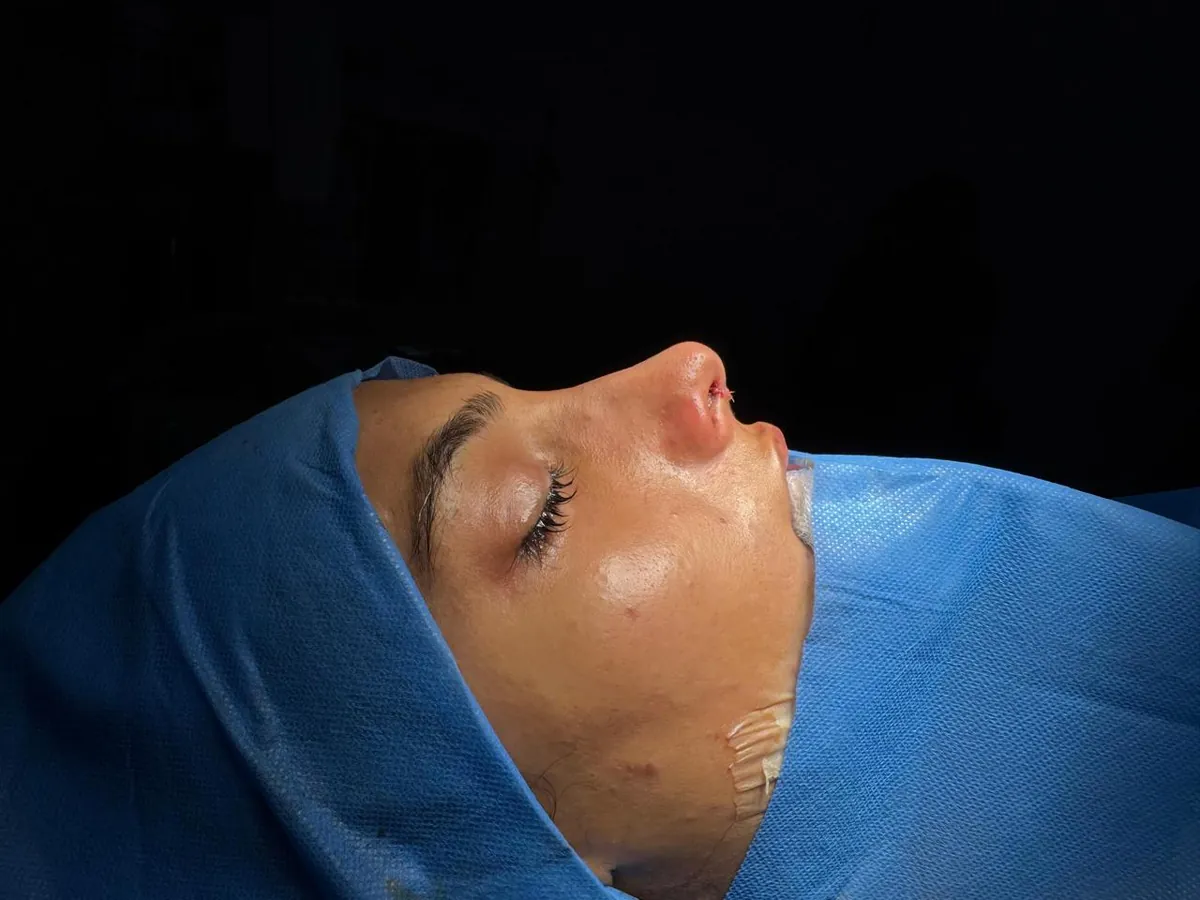
Rhinoplasty is usually a day case or involves one night in hospital. You wake up with a splint on the outside of your nose and sometimes soft supports inside. Your nose will feel blocked, so you breathe through your mouth, which makes your throat dry.
A small gauze pad under the nose catches light oozing, which is normal for the first day or two. Discomfort is usually described as pressure and stuffiness rather than sharp pain, and it is managed with the medicines you are given.
Week 1: splint, swelling and bruising
Swelling and bruising around the eyes usually peak on days two to three and then begin to fade.
- Sleep with your head raised on two or three pillows.
- Use cool compresses around the eyes if advised, without pressing on the splint.
- Do not blow your nose. If you need to sneeze, sneeze through your mouth.
- Avoid bending forward, lifting and straining.
- Keep the splint dry, so wash your face and hair carefully, or ask someone to help.
Days 7 to 10: the splint comes off
The splint and any stitches are usually removed at your first review. Most people find this moment exciting, but your nose will still be swollen, and the tip may look puffy or slightly turned up. This is expected. It is far too early to judge the result.
Most remaining bruising can be covered with light make-up at this stage, and many people feel ready for office work and errands.
Weeks 2 to 6: back to normal life, with care
You will look presentable in public, though the nose still feels firm, numb at the tip and a little blocked. Breathing usually improves as the internal swelling settles.
Glasses: avoid resting glasses on the bridge of the nose for around six weeks, or as long as advised. Options include taping them to the forehead or resting them on the cheeks. Contact lenses are usually fine once the eye swelling has gone down.
Exercise: walking from the first days. Light cardio often restarts around three weeks. Heavier gym work usually waits until about six weeks.
Contact sports: cricket, football, wrestling and anything else where a ball, elbow or fall could hit your face need to wait longer, usually a few months.
Sun: protect your nose from sunburn, especially in summer, and keep any small scar at the base of the nose out of strong sun.
Months 3 to 6: the shape refines
Much of the swelling has now gone, and your profile looks clearer. Swelling tends to be worse in the morning and settles during the day. The tip and the skin over it are usually the last to settle.
Months 6 to 12: the final result
The final shape appears gradually, often at around twelve months, and more slowly if you have thicker skin. Dr. Junaid reviews your progress along the way. If any further change is ever considered, it is usually discussed only once healing is complete, often at a year or more.
Recovery at a glance
| Time after surgery | What is usually happening | What you can usually do |
|---|---|---|
| Days 1–3 | Blocked nose, swelling and bruising peak | Rest with head raised, walk around the house |
| Days 4–7 | Bruising fading | Light activity at home; no nose blowing |
| Days 7–10 | Splint and stitches removed | Office work and errands for many people |
| Weeks 2–6 | Firm, slightly swollen nose | Light cardio from around 3 weeks; no glasses on the bridge |
| Months 3–6 | Most swelling gone | Most normal activities, including the gym as advised |
| Months 6–12 | Final shape emerging | Review with Dr. Junaid |
Warning signs: contact the team
Like any surgery, rhinoplasty carries risks, including bleeding, infection, breathing difficulty, asymmetry and a result that does not fully meet expectations. Dr. Junaid goes through these with you at consultation. Message the team on WhatsApp, or seek urgent care, if you have:
- Bleeding that does not slow after ten to fifteen minutes of sitting upright, leaning forward and resting quietly
- Fever, or spreading redness and swelling
- Pain that keeps getting worse instead of better
- Any knock or injury to the nose during recovery
Planning around weddings and travel
Because the nose keeps refining for months, avoid booking rhinoplasty in the weeks before a wedding, Eid or important photographs. If you want to look your best for a particular date, speak to Dr. Junaid well in advance.
If you live abroad, plan to stay in Pakistan for at least seven to ten days, until the splint is removed and you have been reviewed. Planning Cosmetic Surgery in Pakistan While Living Abroad and the overseas patients page explain how to plan your trip. If you only want a small bump smoothed, ask whether non-surgical rhinoplasty could suit you instead.
Talk to Dr. Junaid
If you are thinking about a nose job, or you have had one and want advice on your recovery, send clear photos of your nose from the front and both sides on WhatsApp and book a consultation in Lahore. The cost guide explains what affects the price, and a personalised quote follows your consultation.
This article is general information and not a substitute for a personal medical consultation.
Quick answers
How long does it take to recover from rhinoplasty?
Most people feel ready for office work and social life after one to two weeks, once the splint has come off and bruising has faded. The nose keeps refining as swelling settles, with most change over three to six months and the final shape at around twelve months.
When can I wear glasses after rhinoplasty?
Glasses should not rest on the bridge of your nose for around six weeks, or as long as Dr. Junaid advises. Until then you can tape them to your forehead, rest them on your cheeks or use contact lenses once the eye swelling has settled.
When can I exercise after a nose job?
Gentle walking is encouraged from the first days. Light cardio can often restart after about three weeks, and heavier gym work after around six weeks. Contact sports or anything that risks a blow to the face need to wait longer, usually a few months.
Why does my nose look swollen or bigger after the splint comes off?
This is normal. The tissues are still swollen when the splint is removed, and the tip is often the most puffy. The nose gradually becomes more defined over the following months, so it is best not to judge the result early.
About the author
Dr. Muhammad Junaid Fateh
Plastic, Cosmetic & Reconstructive Surgeon (MBBS, FCPS (Plastic Surgery)) seeing patients in Lahore. Read more about Dr. Junaid.